

Lemon balm
Lemon balm is a fresh, lemony herb with soft green notes and a mild, lightly sweet flavour. It is often used to perfume tea, desserts, salads and light sauces, and is especially appreciated when you want a citrus accent without adding acidity.
Latin name: Melissa officinalis
Origin: Eastern Mediterranean and West Asia
Plant family: Lamiaceae (mint family)
Height: 30–80 cm
Flowering period: June–August
Lifespan: perennial
Description
Lemon balm forms bushy plants with softly hairy, oval leaves that immediately give off a lemon scent when touched. The herb is closely related to mint, which is reflected in its growth habit: it is vigorous, regrows easily and can spread quickly in a garden. The leaves are most aromatic before flowering, when the fragrance is bright and fresh. Because of its gentle character, lemon balm works well in both savoury and sweet preparations.
In the kitchen
The flavour is at its best when lemon balm is used fresh. Finely chopped leaves bring a light, citrus-green note to fruit salads, strawberries, melon and stone fruit, but also to yoghurt, curd cheese, sorbet and light cakes. In savoury dishes, it combines pleasantly with cucumber, young leafy greens, soft goat’s cheese, chicken, white fish and dishes with pulses or couscous.
It is better not to heat lemon balm for too long: the aroma fades quickly and can become rather flat. It is therefore best added at the end, or briefly infused in a warm liquid such as syrup, tea or a light stock. The herb also works beautifully in butter, honey, sugar syrup or a vinaigrette; let the mixture rest for a while so that the aromatic compounds can infuse.
In the herb garden
Lemon balm grows easily in a sunny to partially shaded spot in fertile soil that does not become too dry. Regular cutting keeps the plant compact and provides tender, aromatic leaves. Harvest preferably in the morning and especially before flowering for the best fragrance. If you cut away the flower spikes, the plant will keep producing leaves for longer and you prevent it from self-seeding too enthusiastically.
Because lemon balm can spread considerably, a spacious pot or a clearly defined area in a border is practical. In autumn, the plant dies back partly above ground; in spring it reappears with fresh new growth. For short-term storage, you can keep sprigs in the refrigerator, loosely wrapped, or finely chop the leaves and freeze them in ice cubes with a little water for later use in tea, dressing or syrup.
Delicious recipes with lemon balm
-
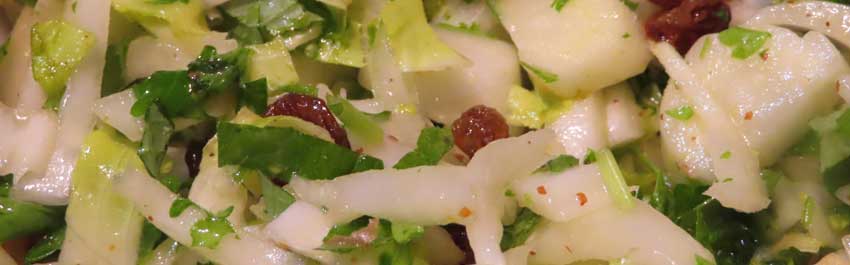
Chicory Salad with Lemon Balm
View recipeThis is a lovely spring salad with the fresh taste of lemon balm. Great as a light lunch or side dish.
