Pork
Pork is the meat of the pig and is valued for its mild, rounded flavour and wide versatility in the kitchen. From quickly fried chops to slowly cooked pork collar or pork belly, the texture and fat content vary greatly from one cut to another, so with the right preparation you can achieve both juicy and meltingly tender results.
Origin: worldwide, with strong traditions in parts of Europe and East Asia
Animal: pig (Sus scrofa domesticus)
Category: meat
Characteristic: mild flavour with variation in fat content depending on the cut
Texture: from fine and lean to marbled and gelatinous
Flavour profile: gentle, savoury, slightly sweet when caramelised
Description
Pork is cut from different parts of the animal, each with its own texture and ideal culinary use. Leaner cuts such as pork tenderloin and topside are fine-grained and cook quickly, while marbled cuts such as pork collar, pork belly and shoulder benefit from slow cooking, which allows the fat and connective tissue to melt and the meat to become tender. The colour is generally pale pink to pink, with white fat; a little fat not only carries flavour, but also helps prevent the meat from drying out. Depending on the product, pork may be fresh, cured, smoked or dried, each with its own character in flavour and use.
In the kitchen
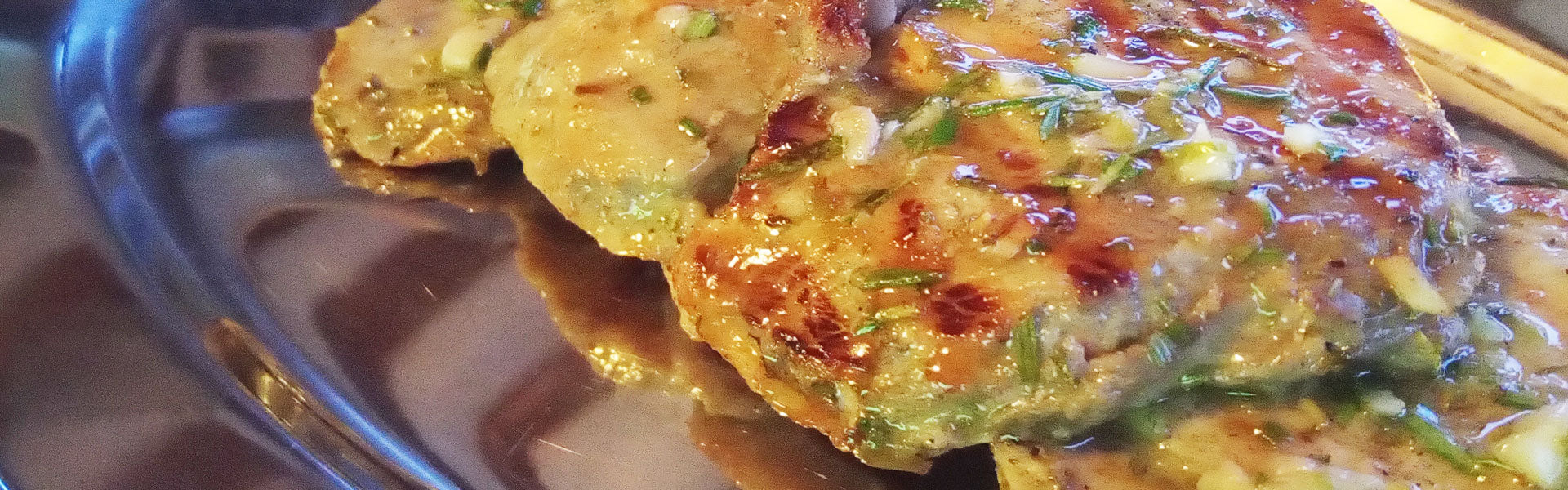
For quick frying or grilling, pork chops, pork tenderloin, schnitzel or streaky pork slices are suitable: cook them over high heat for good browning and then let the meat rest briefly. Slow cooking suits pork collar, shoulder, pork belly and spare ribs; think of braising, low and slow cooking in the oven, or gently poaching in stock, optionally finishing with high heat for a crisp exterior. Minced pork is versatile in dumplings, sausages, ragù and meatballs. Classic flavour pairings include sage, thyme, rosemary, garlic and mustard, but fennel seed, cumin and smoked paprika also work well. Acidic or fresh counterparts such as apple, sauerkraut, lemon or vinegar help balance richer cuts.
Storage & preparation
Store fresh pork well covered in the refrigerator and use it in good time. Freezing is perfectly suitable: wrap it airtight and ideally thaw it slowly in the refrigerator for the best texture. Pat the meat dry before cooking so that it colours well. With leaner cuts, it is important not to overcook them in order to avoid drying out; with marbled cuts, patience works to your advantage. Slice the meat against the grain for a more tender result, especially with shoulder and pork collar. Marinating with salt, herbs and a little acidity can add extra flavour, but always pat the meat dry after marinating for a better crust.