

Sardine
Sardine is a small, oily sea fish with firm, juicy flesh and a distinctive but accessible fish flavour. Sardines are available fresh, but also very often preserved or tinned in oil, water or tomato sauce—useful for quick meals with plenty of flavour.
Scientific name: Sardina pilchardus
Origin: Atlantic Ocean and Mediterranean Sea
Family: Herring family (Clupeidae)
Description
The sardine belongs to the same family as herring and sprat and lives in large shoals. It is a slender fish with silvery sides and a darker back. Sardines are caught in various places along European coasts and are appreciated because they are relatively small, cook quickly and carry a lot of flavour thanks to their fat content. Tinned sardines are often lightly cooked first and then preserved, which makes their texture softer and more succulent.
In the kitchen
In flavour, sardine is full, lightly salty and rounded, with a clear “sea” character that works well with acidity and fresh herbs. Fresh sardines are delicious briefly grilled, pan-fried or roasted in the oven; a squeeze of lemon, some garlic and, for example, parsley or fennel fronds are classic accompaniments. Tinned sardines are ideal on toast or in a salad, stirred through pasta with olive oil, lemon and capers, or used as a savoury base in a quick tomato sauce. They also combine very well with roasted peppers, fennel, olives, chilli and mustard.
Storage & preparation
Storing fresh sardines: keep fresh sardines as cold as possible, preferably around 0–2 °C, and use them ideally on the same day, certainly within 24 hours. Place the fish in the fridge on a tray with ice or on kitchen paper and cover loosely.
Tinned sardines: unopened tins keep for a long time; store them in a cool, dark place. Once opened, transfer the sardines to a sealed container, preferably with the oil or liquid, and use within 1–2 days.
Cleaning: fresh sardines can be cleaned by the fishmonger, but you can also do it yourself: the scales are usually minimal; make a cut along the belly, remove the innards and rinse briefly. To fillet them, pull off the head, open the fish and carefully remove the backbone; small bones can often simply be cooked or fried along with the fish.
Cooking: sardines like high heat and a short cooking time. Dry them well, rub lightly with oil, salt and pepper, and grill or fry them in a hot pan until the skin is crisp. Serve with lemon or a simple vinaigrette; acidity and something fresh, such as tomato, cucumber or a green salad, balance the richness beautifully.
-
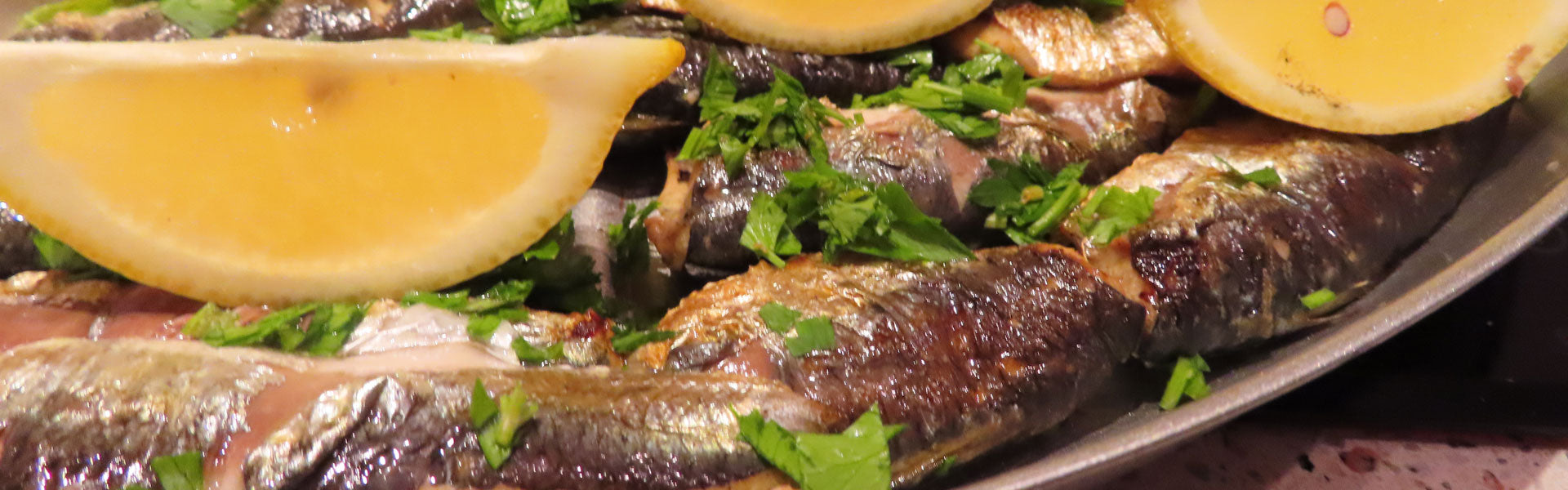
Sardinhas Assadas
View recipeSardinhas Assadas are delicious grilled sardines, a simple and authentic Portuguese dish.
